 Limited access: U-M users only
 Access by request
 Access via HathiTrust
 Access via Fulcrum
B023: Yolüstü Settlement
Aphrodisias Regional Survey
2006-05-20
View/





Citation
Page reference: Christopher Ratté and Peter D. De Staebler (eds.). Aphrodisias V. The Aphrodisias Regional Survey (Verlag Philipp von Zabern: Darmstadt/Mainz, 2012), 71, 82, 83, 85; 26, 209, 217, 218, 219, 229, 230, 396 - Book catalogue no.: Pottery cat. 10; Olive Oil cat. 6. <http://hdl.handle.net/2027.42/92538>
Other Identifiers
B023
Subjects
Settlements 4: Roman 5: Late Roman
Description
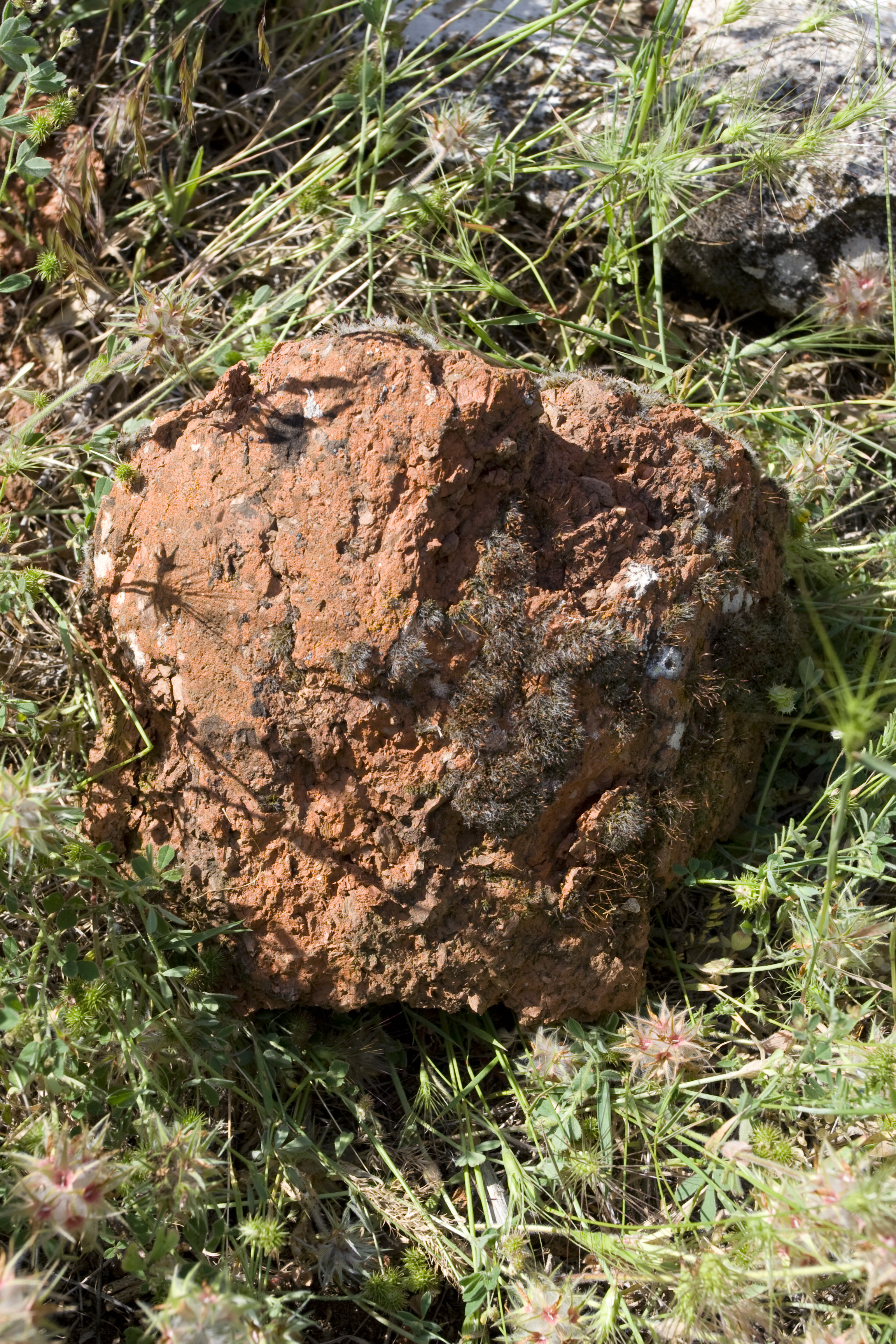
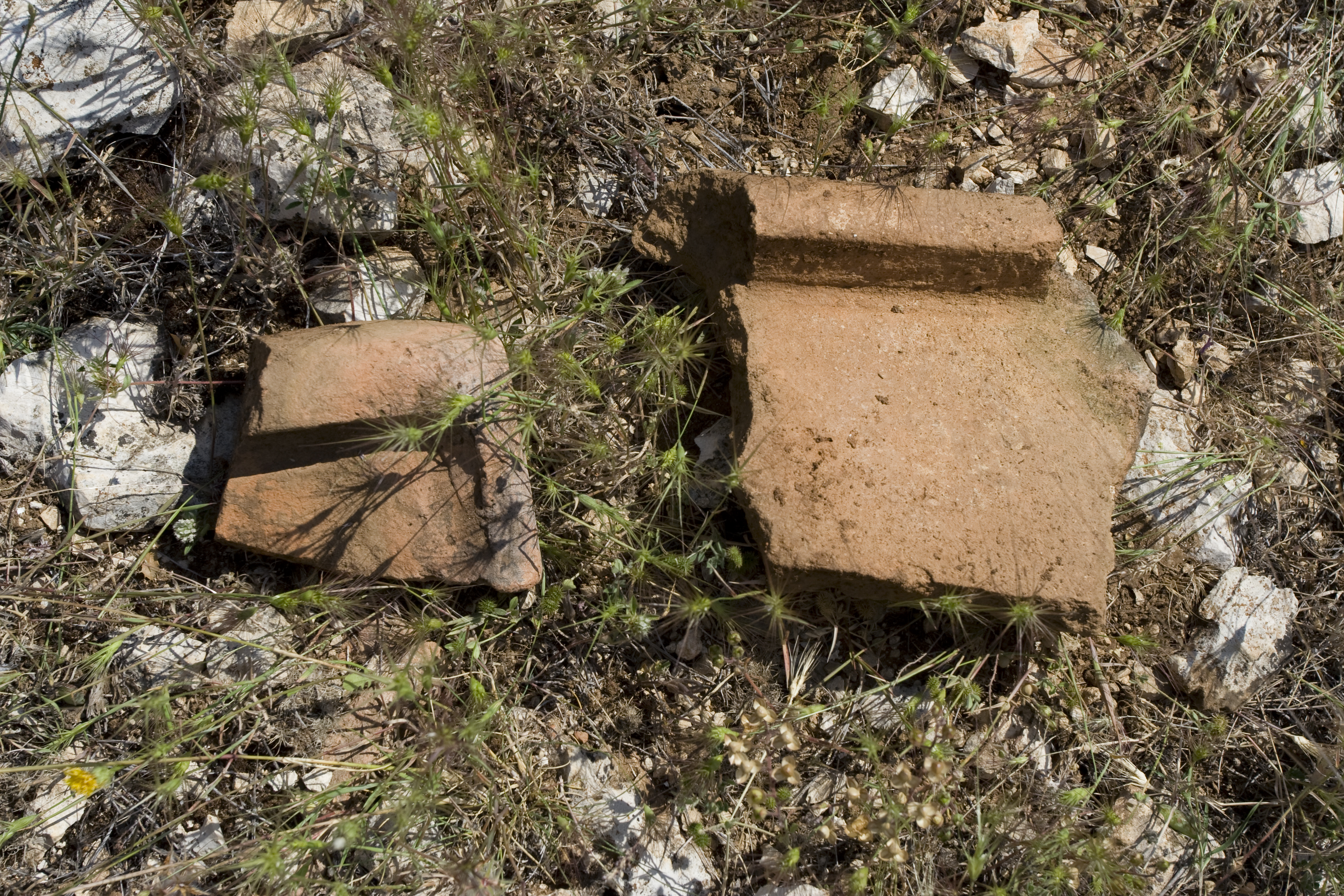
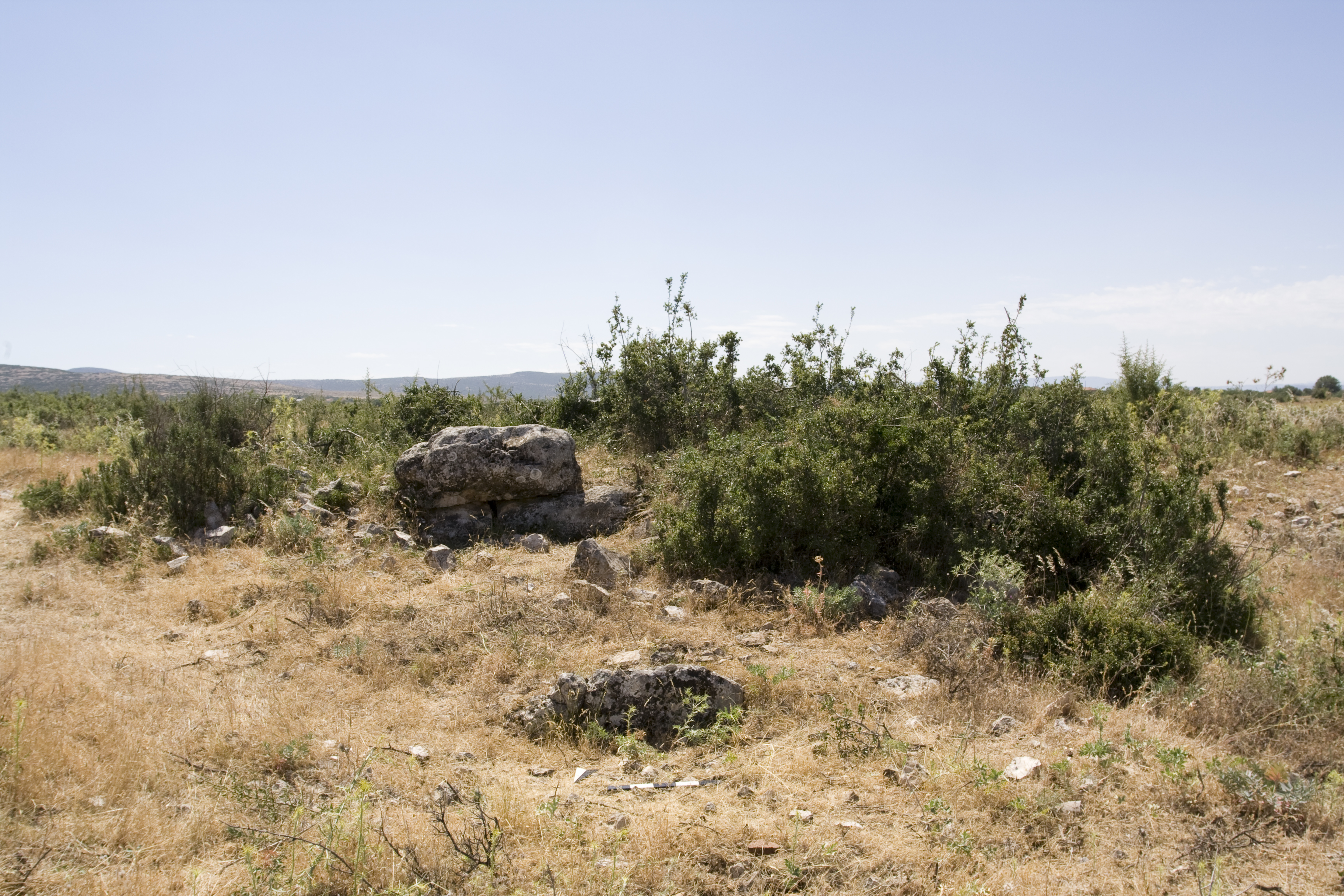
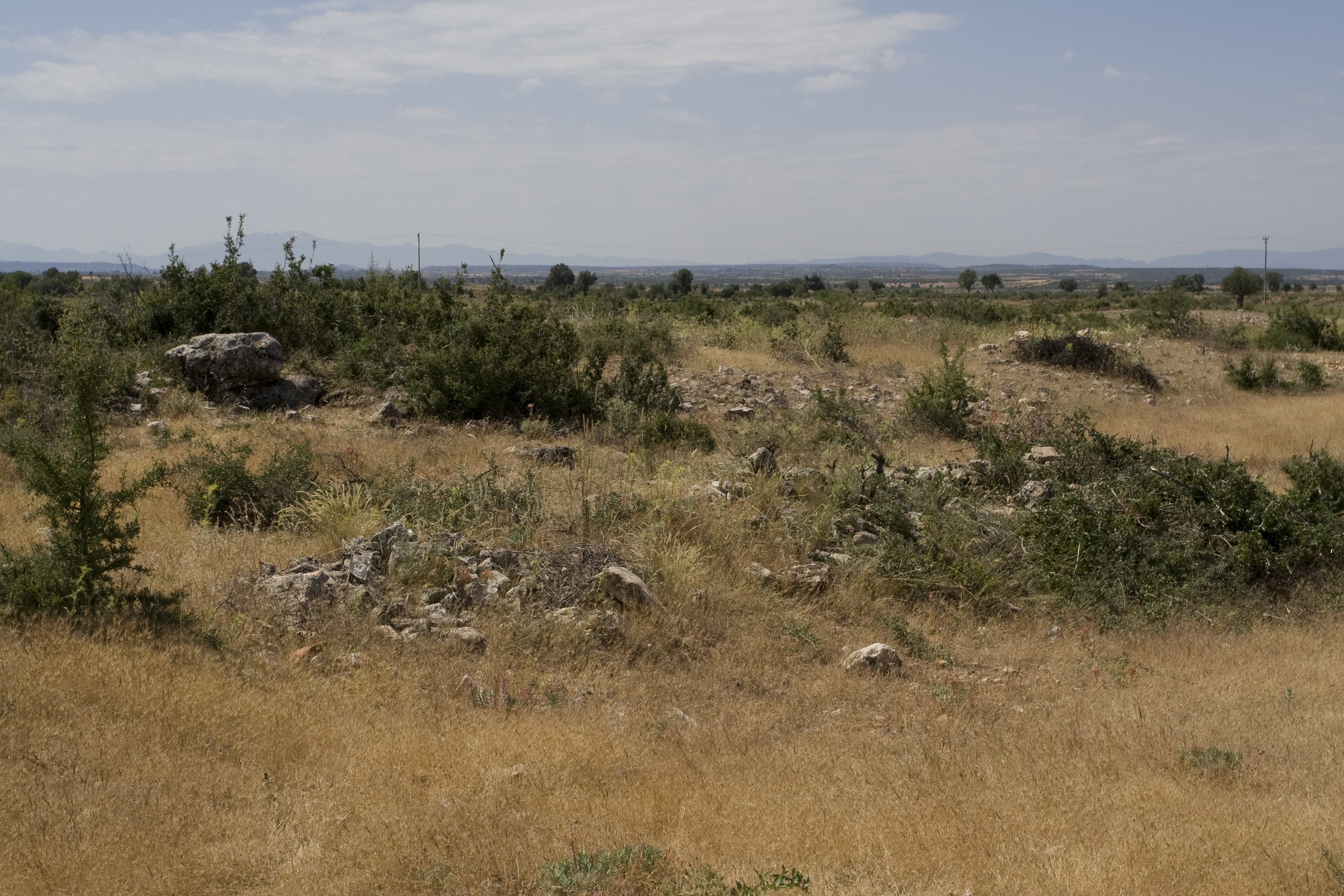
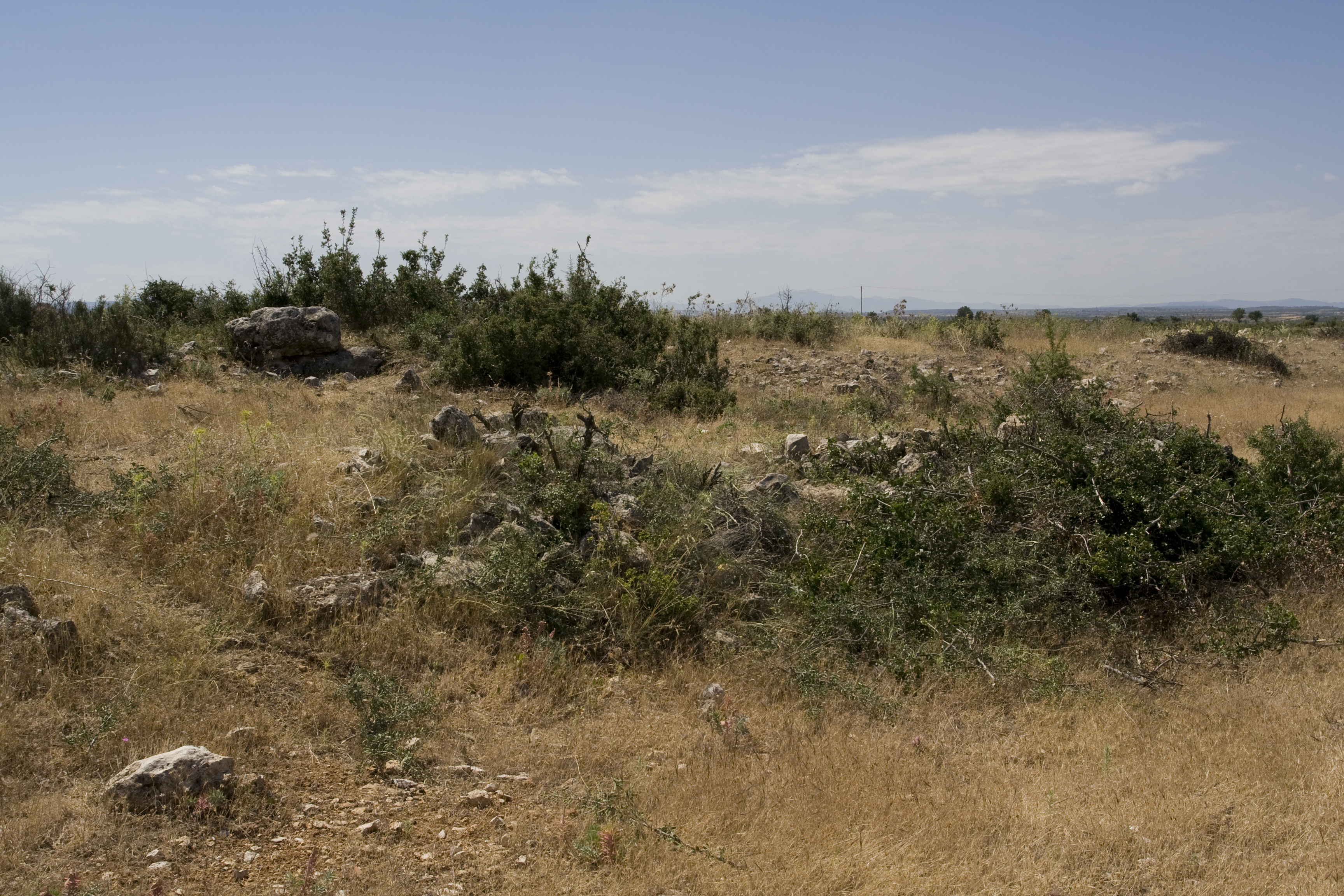
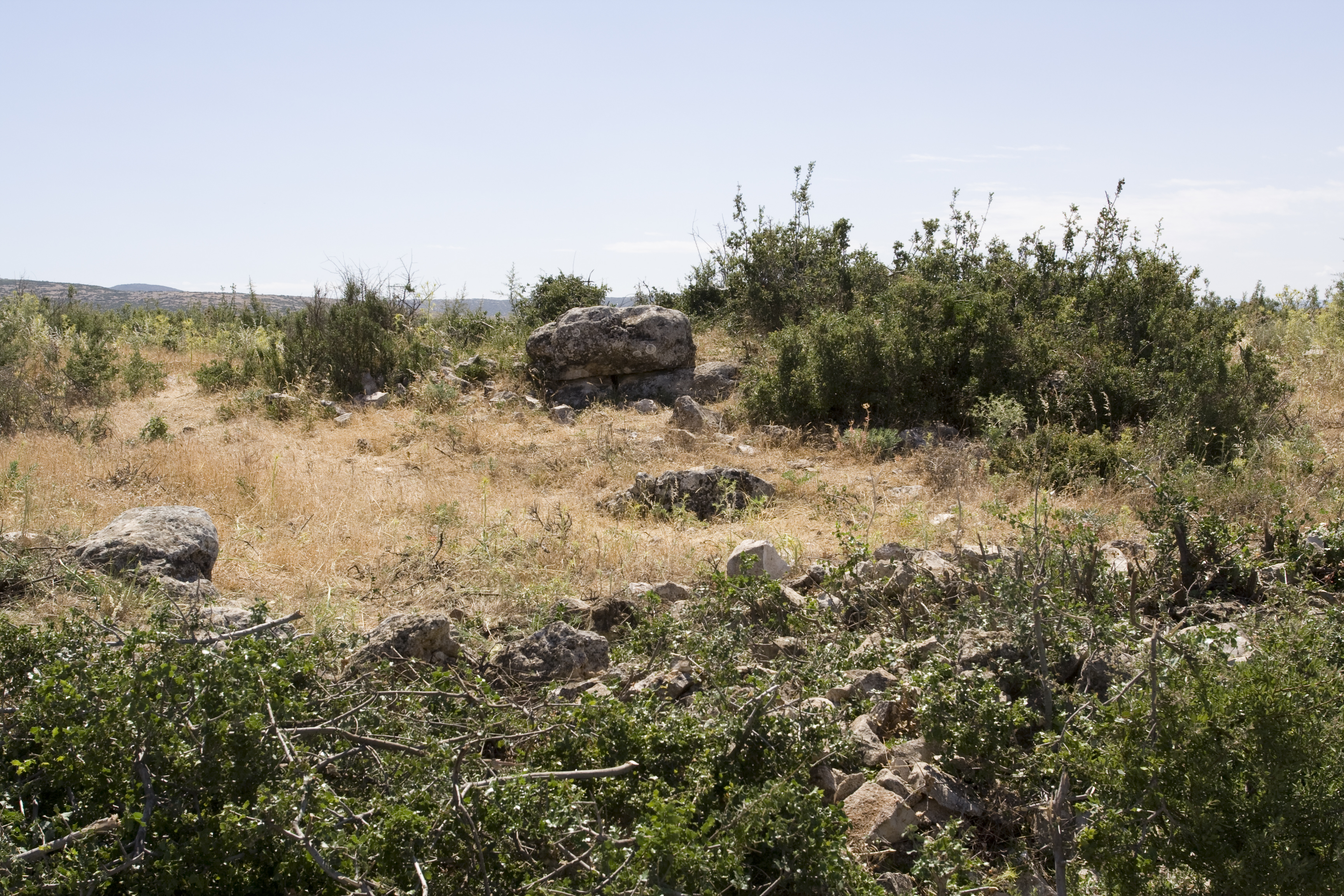
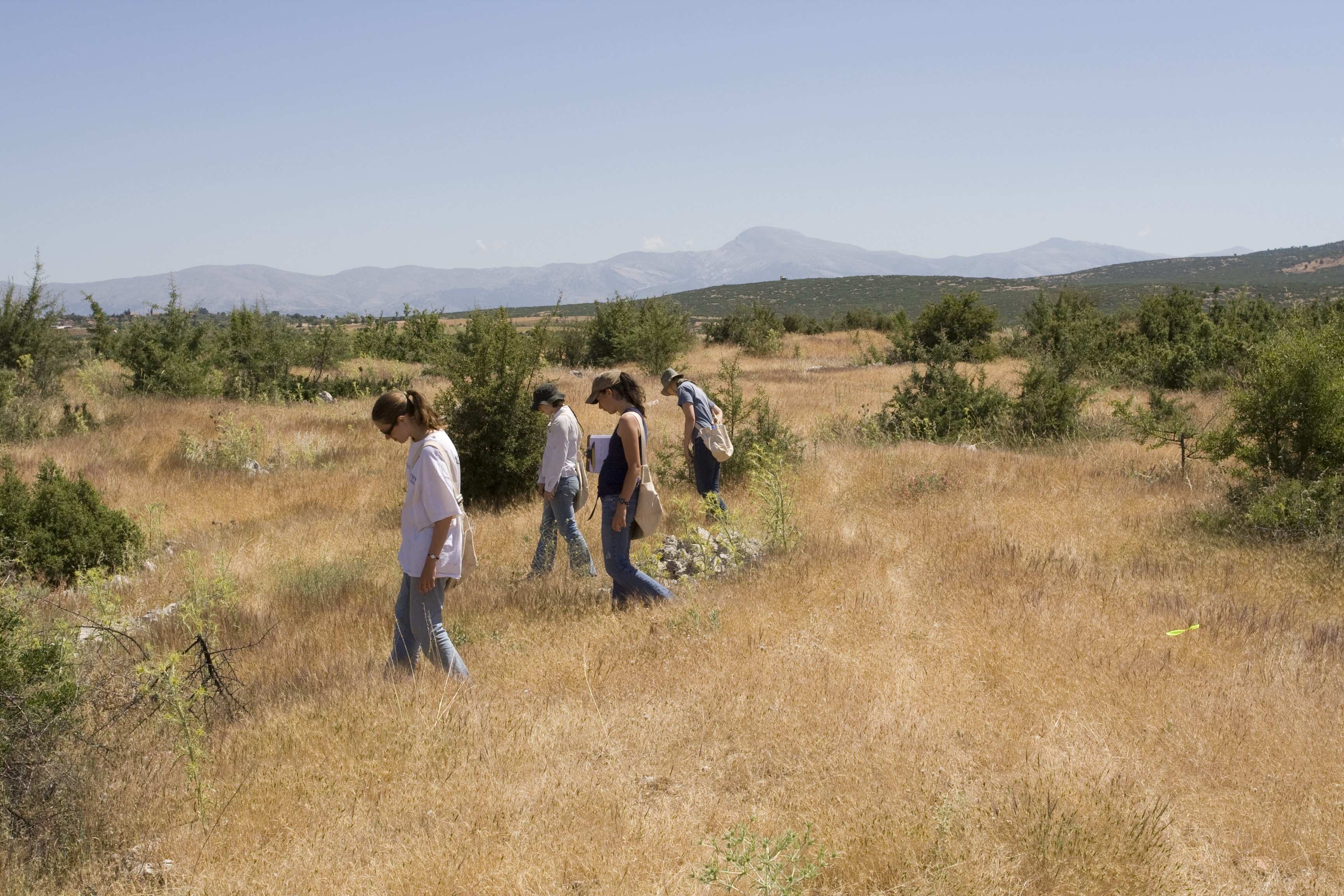
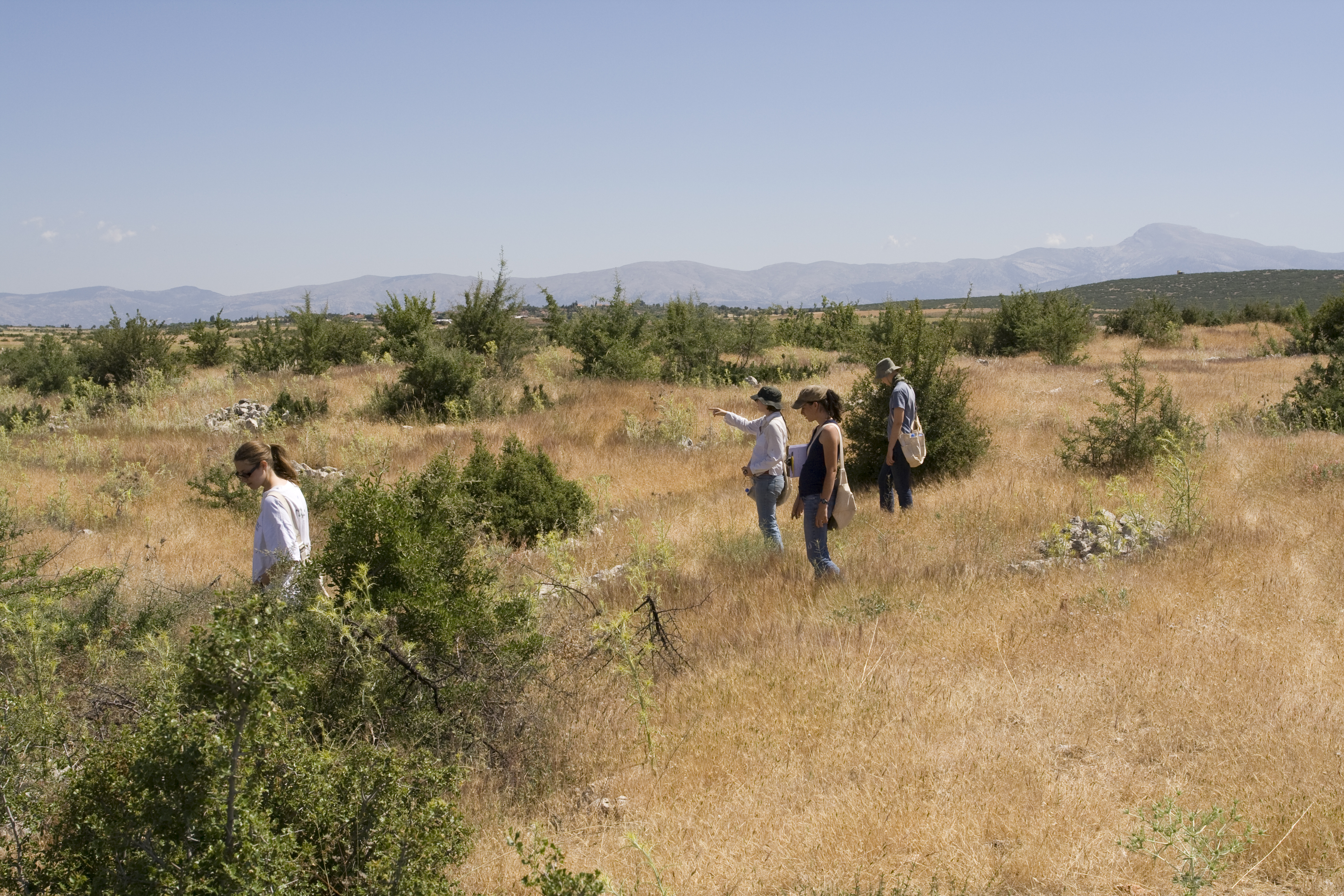
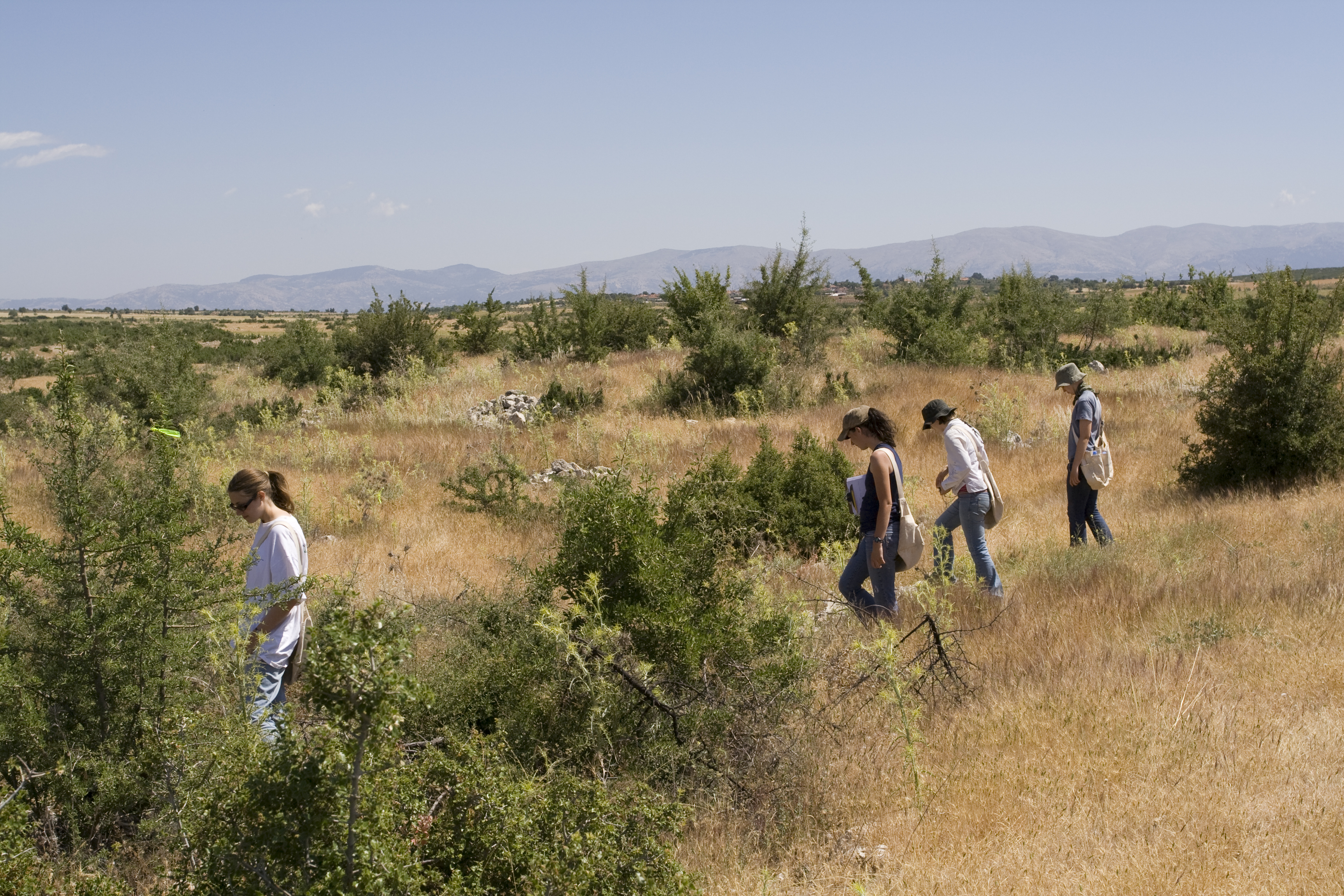
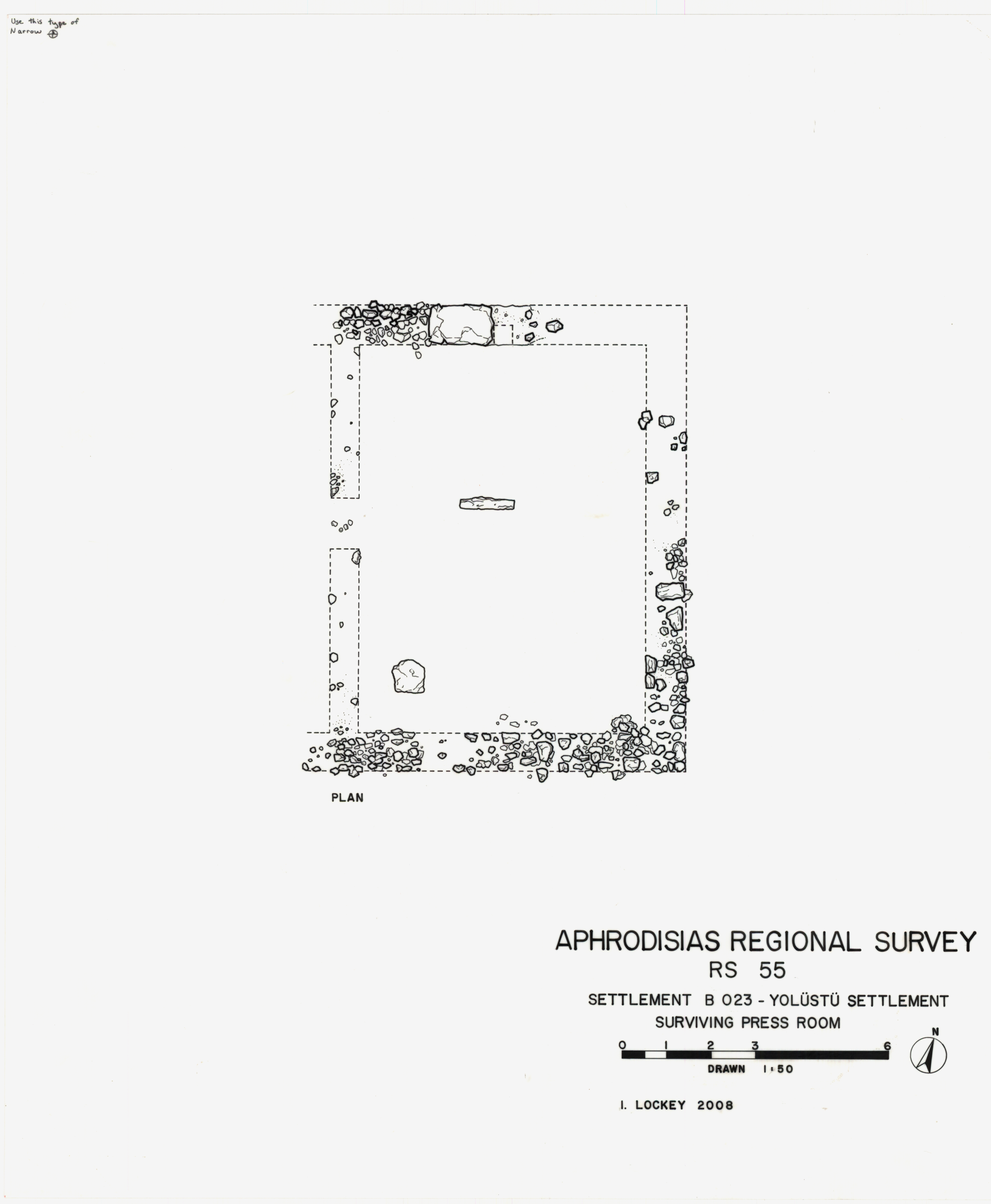
Local Name: Yolüstü Local Informant: Hidayet and Hüseyin Local Information: In field just west of Yolüstü Latitude: 37.36.03.159 Longitude: 28.38.55.411 Elevation: 807m Dimensions: up to 500 m by 200 m Description: The large ancient settlement is located near the modern village of Yolüstü on the plateau southwest of the Morsynus valley. The site measures approximately 500 m by 200 m, with traces of numerous walls for a variety of buildings. Unsuccessful modern field-clearing efforts have caused considerable damage to the site, and deep plowing in many areas has obscured the lines of walls. The limestone used for most of the buildings is itself badly weathered. Dense scrub oak covers the site. The settlement was well sited, located on a slight rise in the center of the plateau with a view of the entire surrounding area, including all the entry points onto the plateau. Press and mill elements found at the site (B024) include a marble counterweight block, three limestone socket blocks (two of which are in situ), and a possible marble press bed or grinding bed -- the counterweight block is unusual in that it is made out of marble, while local limestone was more widely used at this site and only a few other small fragments of marble are visible. ** In the west part of the settlement is a row of three rooms. In the south room, a socket block remains in situ, resting at modern ground level, which indicates that any remaining press equipment is buried beneath the surface. In the opposite wall is a second fragmentary socket block, which perhaps sat higher in the wall. Each of the three rooms measures approximately 6.1 m by 9.3 m; the outer walls are about 0.9–1.0 m thick, with the dividing walls between the rooms approximately 0.75 m thick. The walls were built largely of small rough hewn limestone blocks, with larger blocks encasing the socket block. 3.7 m north of the in-situ socket block, a narrow slab projects from the ground. This slab may have supported the press beam when not in use. Just east of this suite of rooms is a third socket block, also in situ, although only a very small part of the wall into which it is set survives, and the full outline of the room is not visible. ** No other architectural fragments were seen. The pottery from this site does not provide a precise date for the occupation. Very few sherds were observed, and the majority of these were of the largely un-datable local TMW. Finds: Finds were sparse and not helpful in determining the date of occupation of the site. ** Systematic pottery collection conducted 8 June 2008
Types
Other
Metadata
Show full item recordCollections
Remediation of Harmful Language
The University of Michigan Library aims to describe library materials in a way that respects the people and communities who create, use, and are represented in our collections. Report harmful or offensive language in catalog records, finding aids, or elsewhere in our collections anonymously through our metadata feedback form. More information at Remediation of Harmful Language.
Accessibility
If you are unable to use this file in its current format, please select the Contact Us link and we can modify it to make it more accessible to you.