 Limited access: U-M users only
 Access by request
 Access via HathiTrust
 Access via Fulcrum
Spatial Synthesis, Volume II, Book 2. Making It Clear: The Importance of Transparency
Arlinghaus, Sandra Lach
2008-11-02
View/


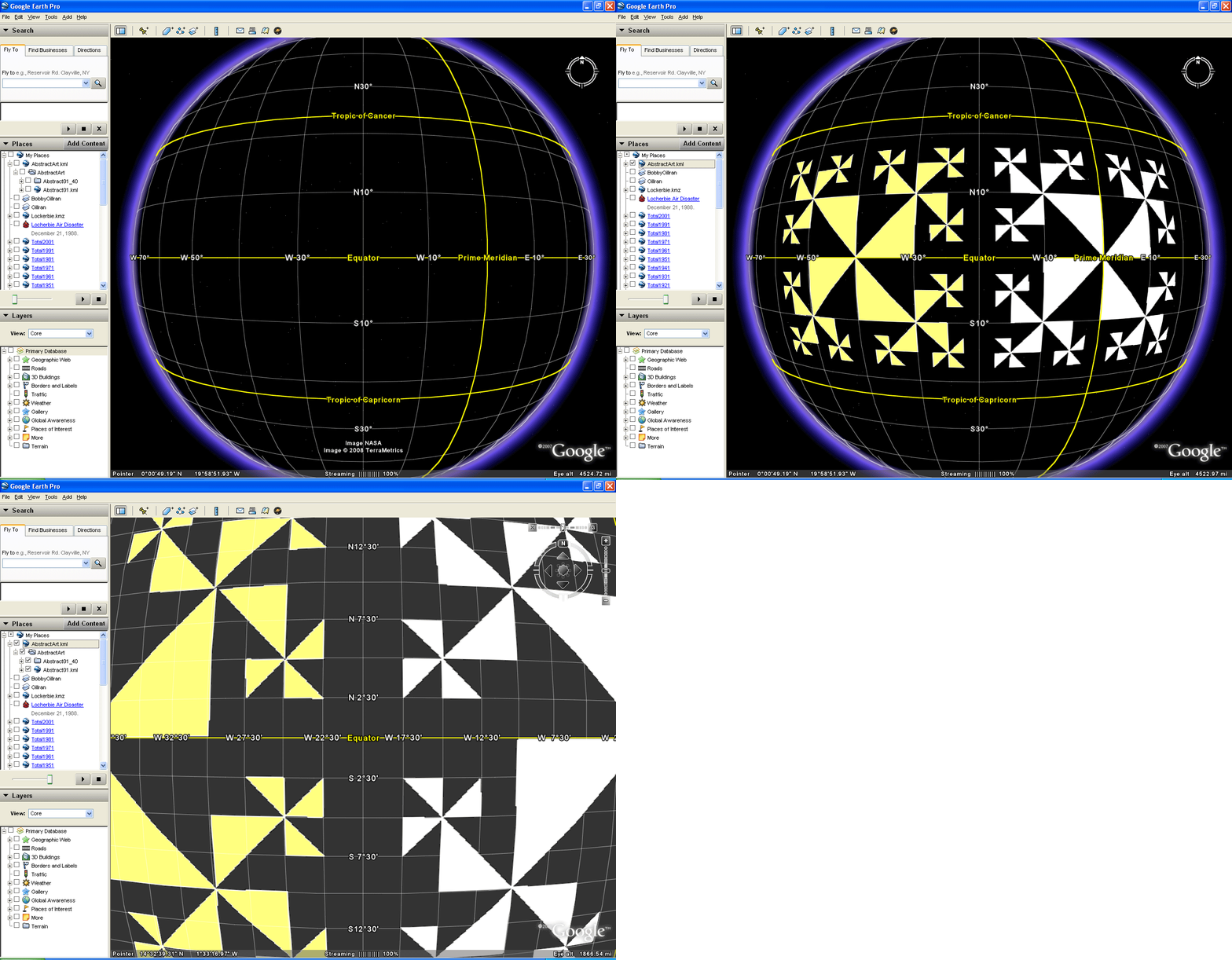

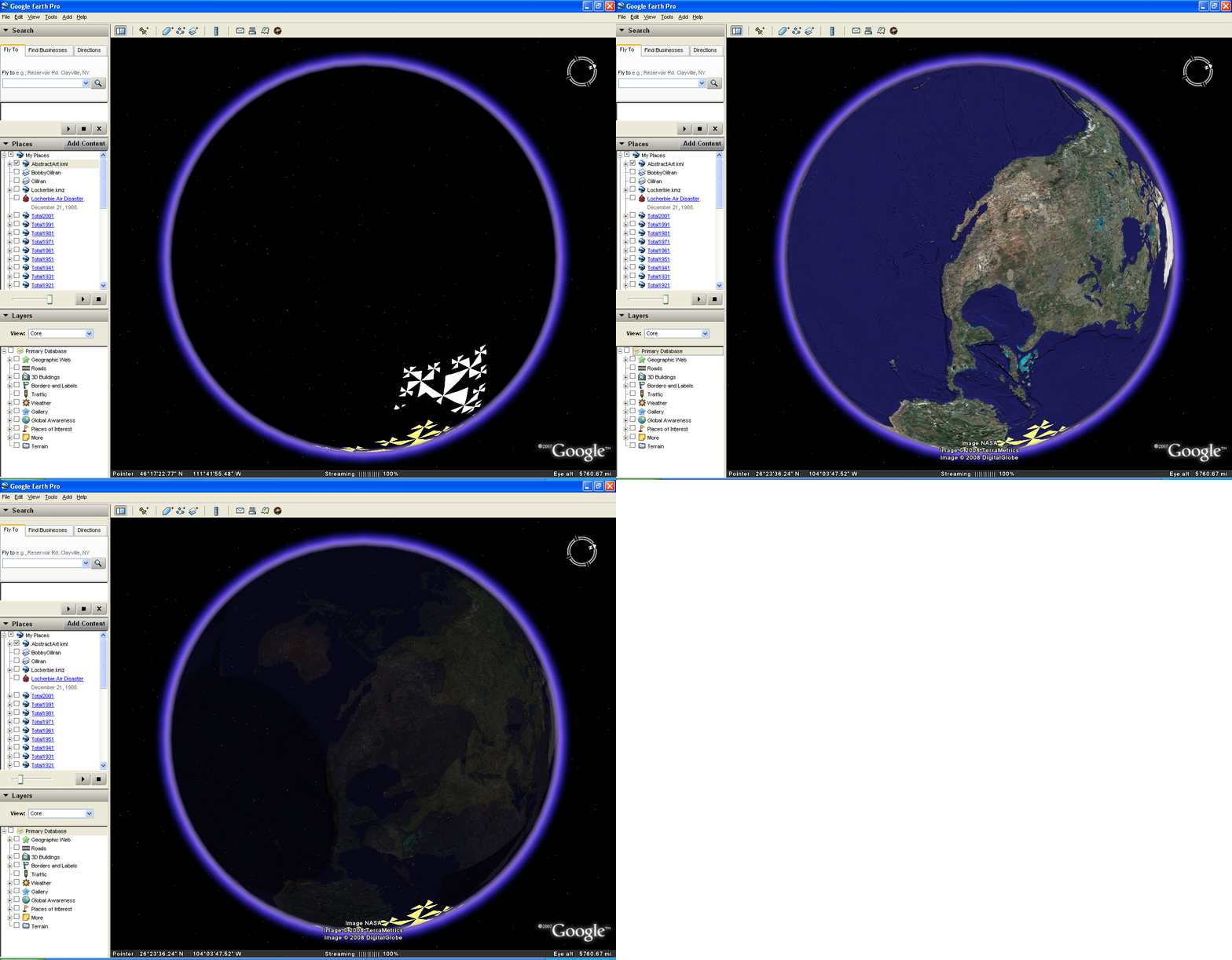
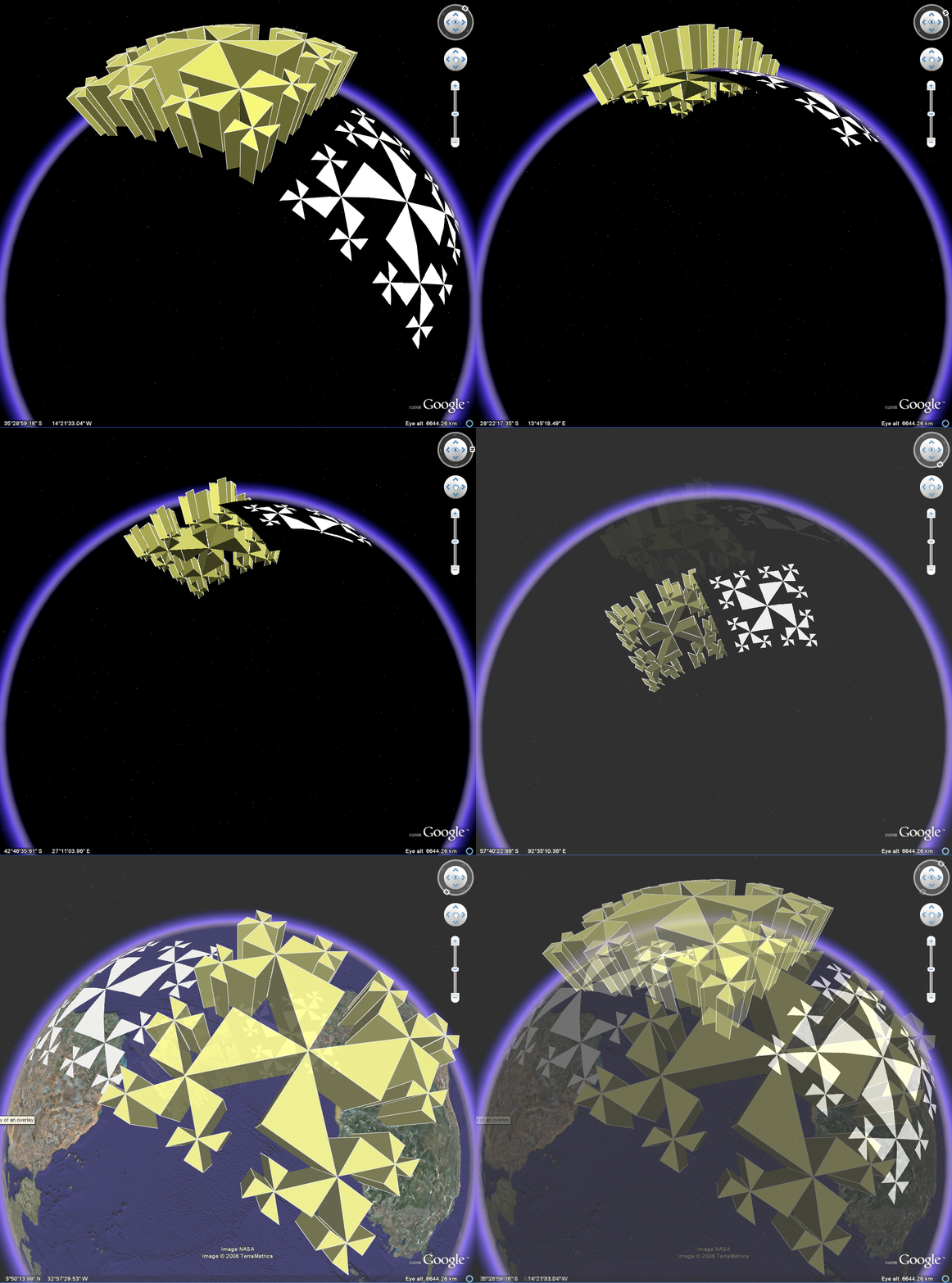
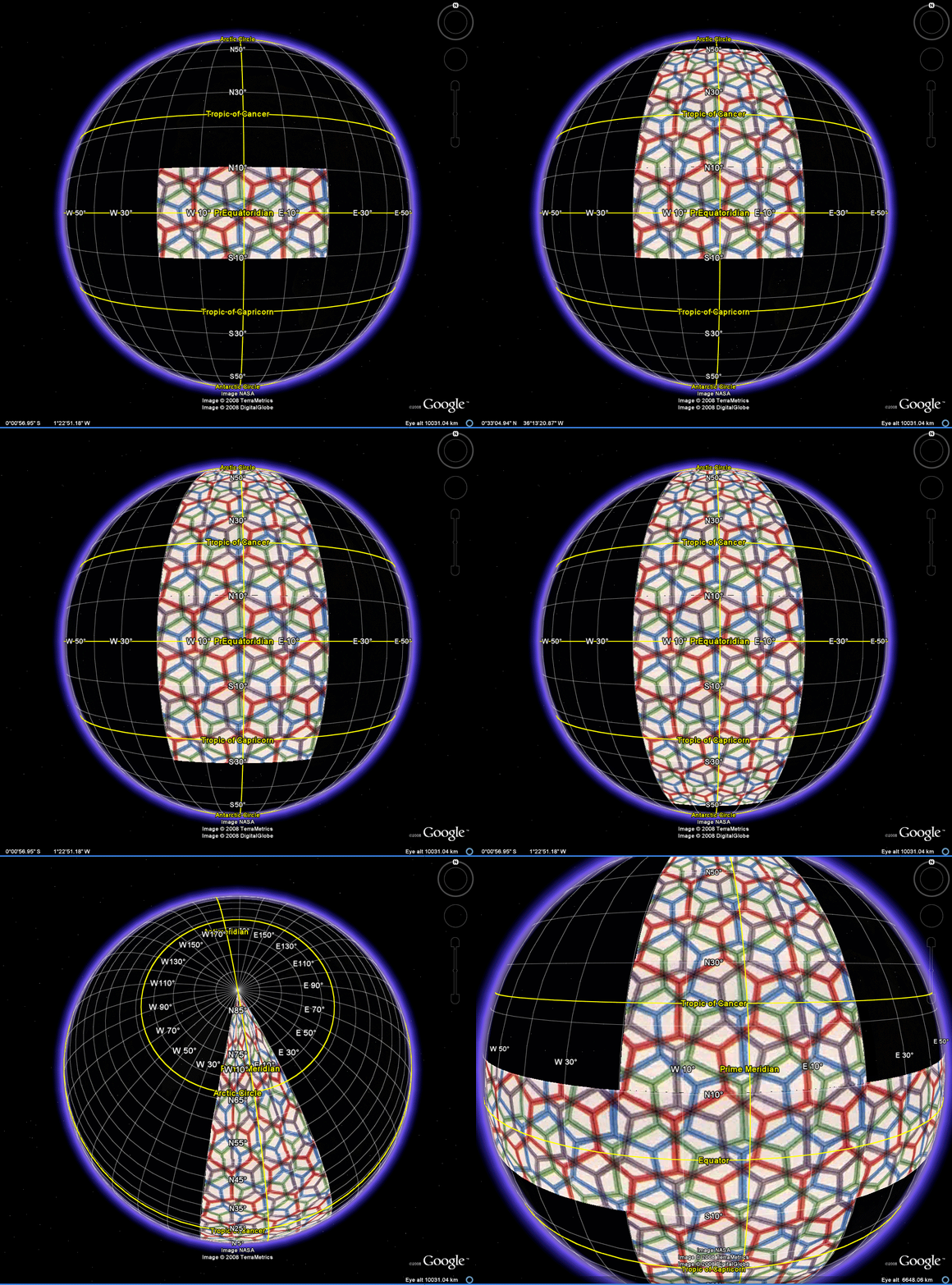


Citation
Arlinghaus, Sandra L. Spatial Synthesis: Volume II, Book 2. Making It Clear: The Importance of Transparency. <http://hdl.handle.net/2027.42/61202>
Abstract
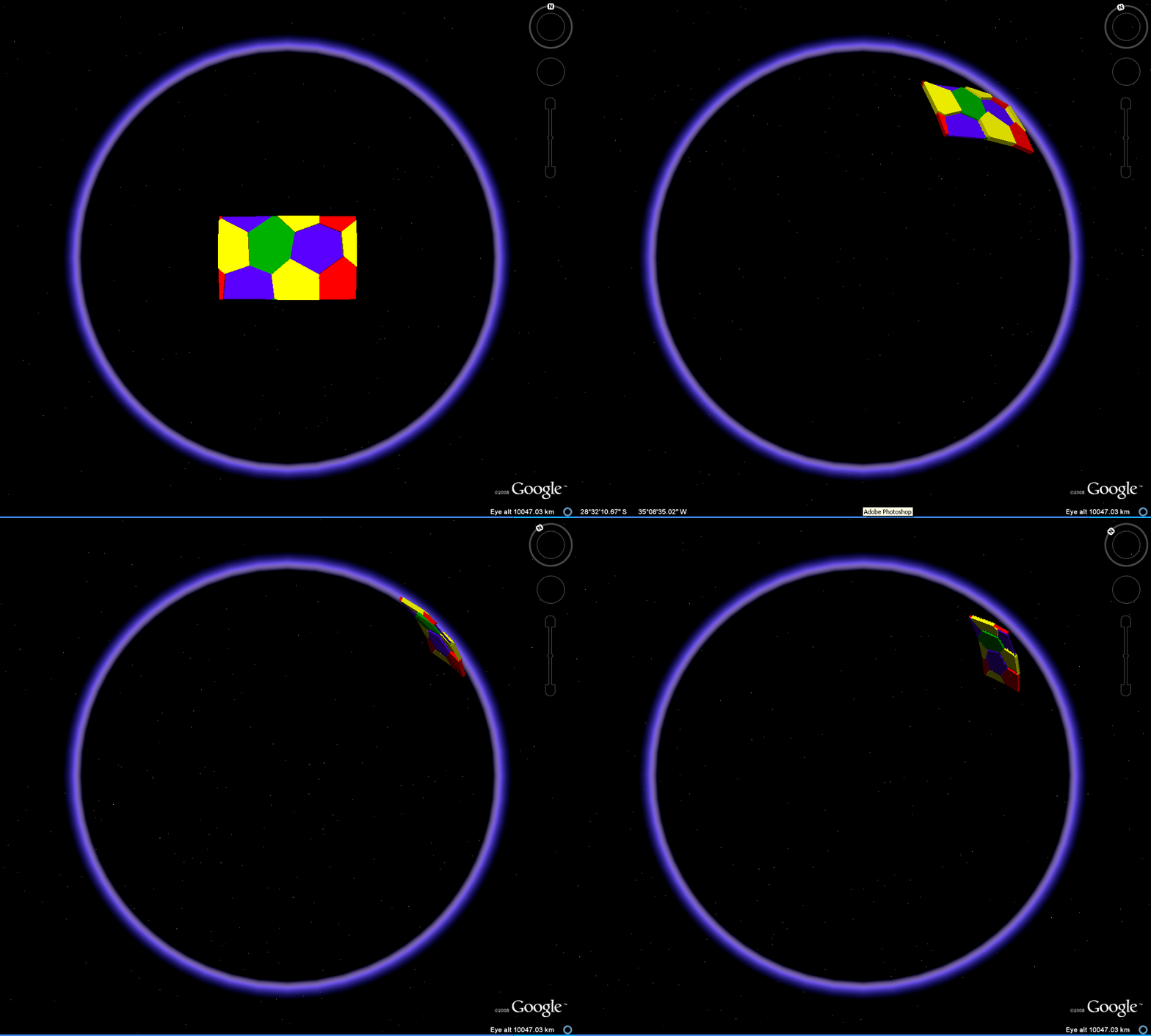
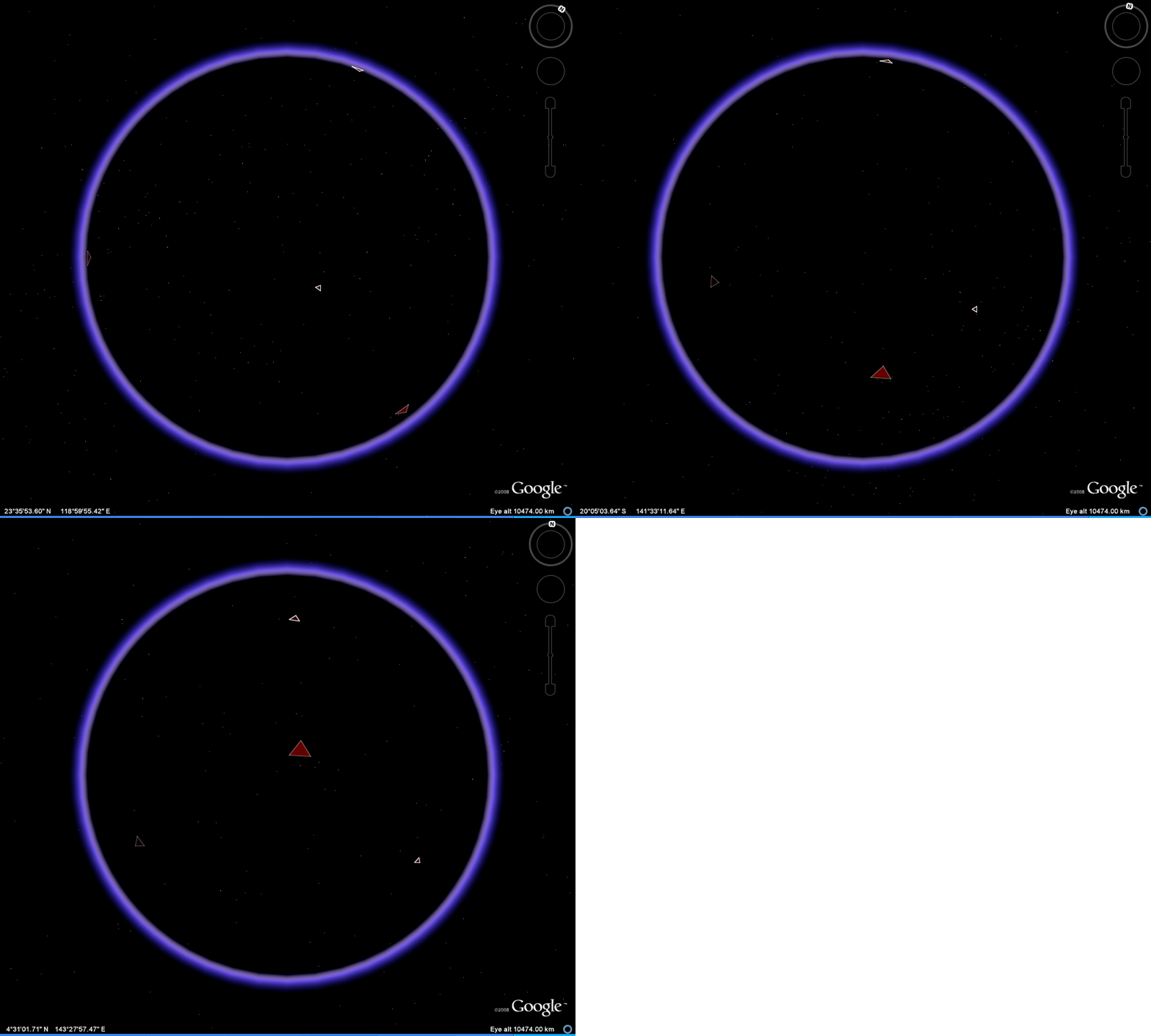
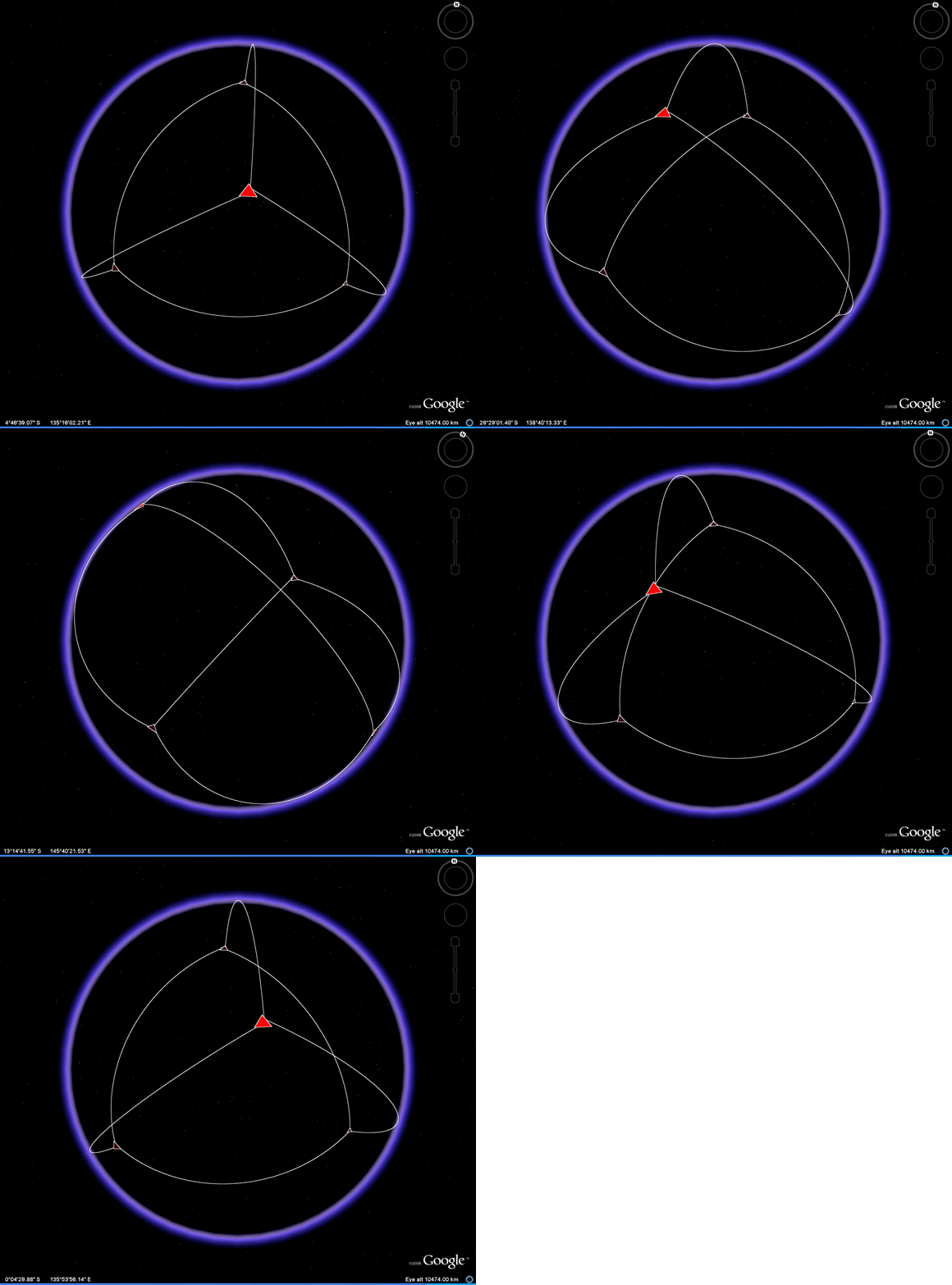
Graphics created on the computer often employ subtle capabilities that did not really exist in a paper and pen environment. Thus, "white" becomes a color to be used in the same way as red or green. "Transparent" also becomes a color by which to uncover parts of other images. Two dimensional maps composed of layers in Geographic Information Systems software may look through one layer to see part of another. Images created in Adobe Photoshop can be assigned partially opaque colors to let still others show through. The world of three-dimensional models suggests a host of oppotunity for making things "clear." The emphasis in this second book in Volume II of the Spatial Synthesis is on the importance of transparency.Publisher
Institute of Mathematical Geography
Subjects
Virtual Reality Transparency
Description
Volume I of the Spatial Synthesis* series focuses on theory;
Volume II* of the series focuses on applications, turning theory into practice.
Types
Animation Book Image Image, 3-D Map Other
Metadata
Show full item recordRemediation of Harmful Language
The University of Michigan Library aims to describe library materials in a way that respects the people and communities who create, use, and are represented in our collections. Report harmful or offensive language in catalog records, finding aids, or elsewhere in our collections anonymously through our metadata feedback form. More information at Remediation of Harmful Language.
Accessibility
If you are unable to use this file in its current format, please select the Contact Us link and we can modify it to make it more accessible to you.